There was a week when my transport company turned over about £50,000. The woman in the office was delighted. On paper, it was exactly the sort of moment an entrepreneur is supposed to celebrate.
I drove a convertible BMW. I wore designer clothes and a watch that cost about £5,000. I had built a company with staff, vehicles, premises and clients who depended on us. To anybody looking in, I appeared to be winning.
I was also miserable.
I was single and had nobody with whom I could truly share any of it. I drank most nights. I could not go away because the business did not function without me. My phone could start at five in the morning and continue until ten at night. I hired people to take work from me, but they either left or did the job badly. In truth, I was probably poor at delegating as well.
The money bought me things, but the business had taken the freedom I thought the money would buy. Staff relied on their jobs. Clients relied on the service. The vehicles and premises created huge overheads. I felt trapped by something I had created, yet I kept performing the role of the successful entrepreneur because admitting the truth felt like admitting weakness.
Why a good life can still feel empty
Feeling empty does not automatically mean that your whole life is wrong. It does mean that something important deserves attention. The difficult part is that visible success can hide what is missing. Income, status and possessions are easy to count. Freedom, connection and meaning are harder to measure, so they are often ignored until their absence becomes impossible to miss.
Psychologists Richard Ryan and Edward Deci describe three basic psychological needs in self-determination theory: autonomy, competence and relatedness. In plain English, people tend to function better when they have some ownership over their lives, feel capable, and feel genuinely connected to other people. My business gave me competence and evidence that I could perform. It steadily removed autonomy and did very little for relatedness.
That explains something I could not understand at the time. I had achieved the external result, but the life built around it did not meet enough of my internal needs.
Achievement and fulfilment are not the same job
Research by Tim Kasser and Richard Ryan found that placing financial success at the centre of life was associated with poorer psychological adjustment and wellbeing. It was correlational research, so it does not prove that money makes people miserable. Money can remove hardship, create options and protect a family. The more useful conclusion is that money struggles to carry the full weight of a life when it replaces connection, growth or contribution.
I did not build the transport company because I loved the industry. I saw an opportunity and jumped into it. Back then I was driven enough to have made a success of many things, but I never stopped to ask whether this was a success I would enjoy living inside.
That is the question many capable people miss. They ask, "Can I make this work?" They do not ask, "If it works, will I want the life it creates?"

Four reasons success can start to feel hollow
Your success removed your freedom. A business, promotion or lifestyle can become a set of obligations that you no longer feel able to question. You may own the company yet have less control over your day than any employee. You may provide for everybody and still feel that your own life belongs to everybody else.
You became valuable for what you produce. Many men learn to measure their worth through usefulness. Providing is honourable, but it becomes dangerous when performance is the only place you are allowed to feel valuable. Eventually you may know what everybody needs from you and have no idea what you need for yourself.
You reached a borrowed destination. Some goals come from genuine values. Others come from comparison, expectation or an old version of you. Reaching a goal cannot create lasting fulfilment if the goal was never truly yours.
You lost connection while staying busy. Busyness can hide loneliness for years. My working day left almost no room for a relationship, friendship, rest or even the ability to go on holiday. I had built something impressive and had nobody to share it with.
Do not respond by blowing up your life
Emptiness makes dramatic action attractive. Quit. Leave. Sell everything. Buy something fast. Start again somewhere nobody knows you. Sometimes a major change is necessary, but discomfort is information, not an instruction to destroy everything immediately.
Before deciding that your whole life is the problem, look for the neglected area. It may be purpose. It may be friendship. It may be a body that has been running on poor sleep and alcohol. It may be a job that gives status but no freedom. It may even be the absence of a hobby that is yours alone.
If purpose is the gap, read how to find purpose again after years of going through the motions. The aim is not to discover one magnificent calling. It is to notice what gives you energy, connection and a reason to participate in your own life again.
A practical way to begin this week
Take twenty quiet minutes and answer these questions honestly:
- Which part of my life looks better from the outside than it feels from the inside?
- Where do I feel trapped, even though I chose or created the situation?
- What have I been buying, drinking, chasing or working on to avoid that feeling?
- Which one of freedom, connection, growth, health or contribution feels most neglected?
- What is one small change that would give that area more room this week?
Do not use the answers to judge yourself. Use them as a site survey. You are looking for the part that needs attention, not evidence that you have failed.
The free Weekly Reset can help you turn that answer into one realistic focus for the next seven days. Keep it small enough to complete. A conversation, an evening without work, a walk, a medical appointment or trying an old interest again can tell you more than another month of thinking.
When emptiness needs professional help
Persistent emptiness can sit alongside depression, anxiety, burnout, trauma or harmful alcohol use. I am not a therapist, and Human Renovation is not a replacement for medical or psychological care.
I waited until anxiety and depression had taken me to the point where I could barely function. For roughly six months I was largely housebound and withdrew from people. Looking back, the drinking, dread and constant pressure were not things I should have tried to outwork. If I had sought help earlier, perhaps I could have prevented some of the collapse that followed.
Speak to a GP or qualified mental-health professional if the feeling persists, you have lost interest in things you normally enjoy, alcohol or other coping behaviours are increasing, or anxiety and dread are affecting daily life. If you feel at risk of harming yourself, contact emergency services or a crisis service where you live now.
You may need renovation rather than escape
The lesson I took from that period was not that ambition is bad or that success is fake. It was that building the wrong life efficiently still leaves you in the wrong life.
You may not need to abandon your career, relationship or responsibilities. A small change in the area that has been ignored can alter how the rest of life feels. A new purpose, a closer friendship, firmer boundaries or one interest that belongs to you may be more powerful than another purchase or promotion.
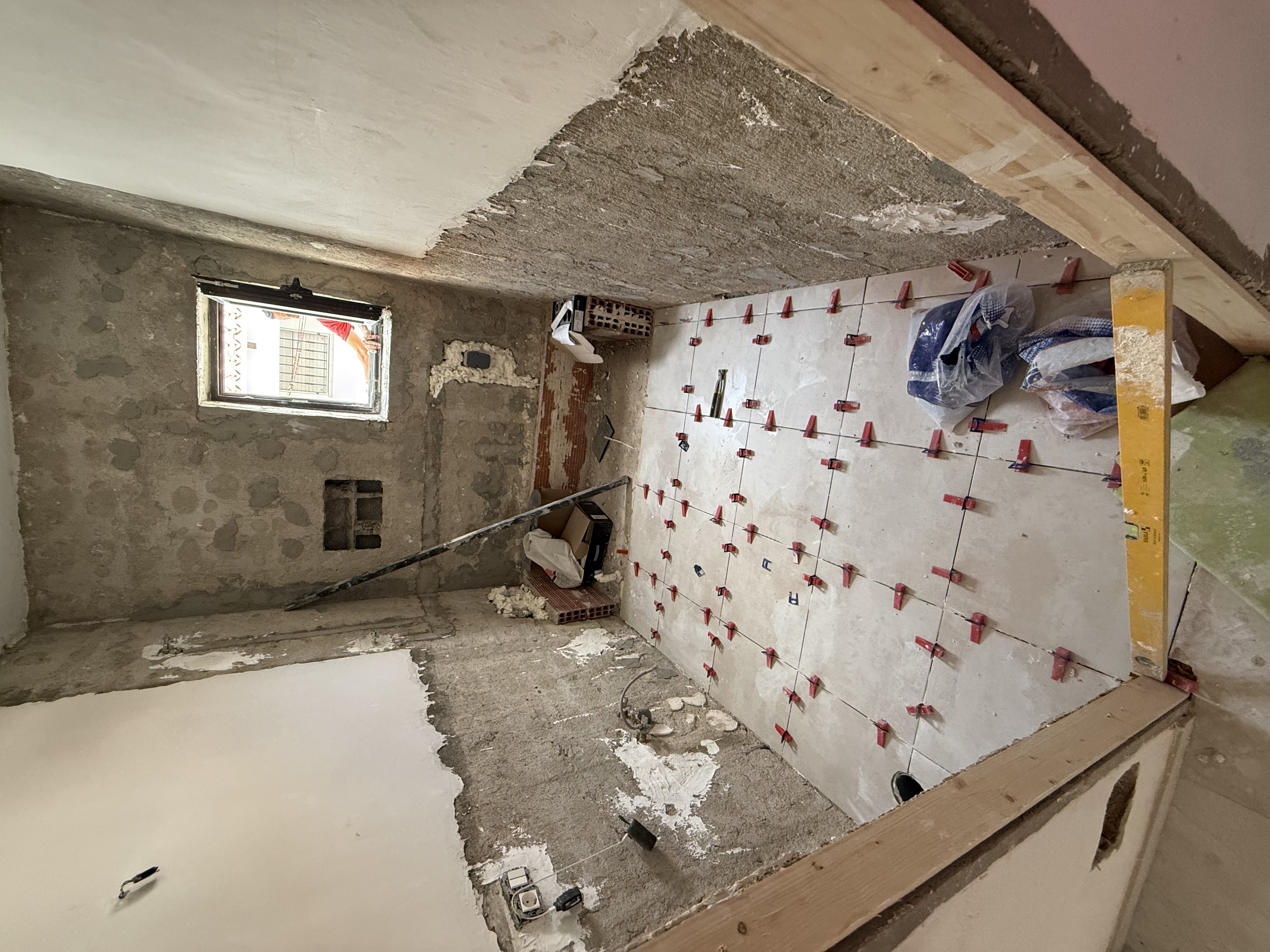
You already have experience, skills, relationships and evidence that you can build. The task is to keep what is sound and change what no longer fits. I wrote about that idea in Renovation, Not Demolition, and it runs through my book, The Rebuild.
Get The Weekly Reset to choose one small focus for the week: free, five quick questions, nothing to buy.
Questions people often ask
Does feeling empty mean I am depressed? Not necessarily. Stress, loneliness, burnout, grief, poor sleep and a lack of meaning can also contribute. Persistent symptoms or impaired daily functioning deserve professional assessment.
Why do possessions stop making me feel better? New purchases can create a temporary lift, but they do not reliably meet needs such as autonomy, connection and meaning. The effect also fades as the new item becomes normal.
Should I quit my job if it makes me feel trapped? Not on the strength of one bad week. Identify what is creating the trap, test smaller changes and protect your finances while you gather evidence. Leave urgently only when safety or serious harm requires it.
Can a hobby really help? It can. A hobby may restore interest, competence, connection or freedom without requiring you to redesign your whole life. It is not a treatment for depression, but it can be a meaningful part of a healthier life.
Sources and further reading
The research below supports the principles in the article. Associations are described as associations, not proof that one factor caused another.
- Ryan and Deci on self determination theory - Autonomy, competence and relatedness are central to the theory.
- Kasser and Ryan on financial success as a central aspiration - The studies report associations between prioritising financial success and poorer adjustment.
- NHS guidance on low mood and depression - Practical guidance on symptoms and when to seek help.